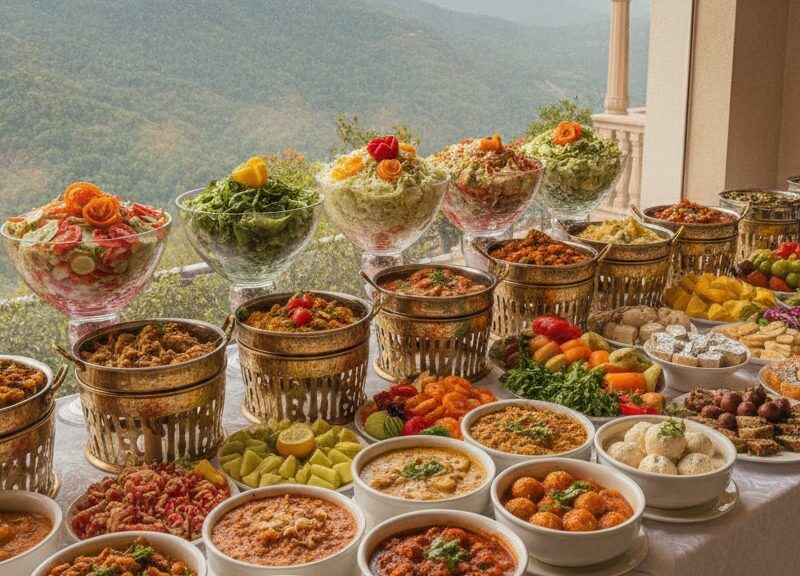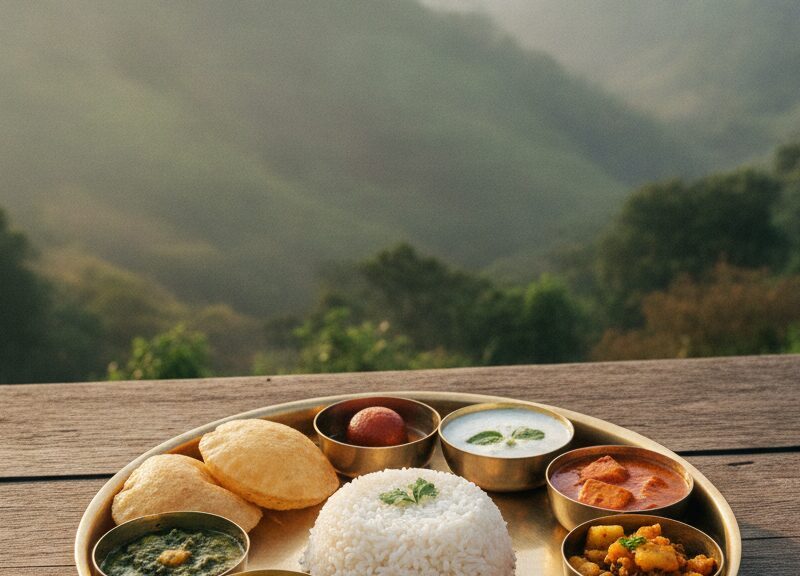
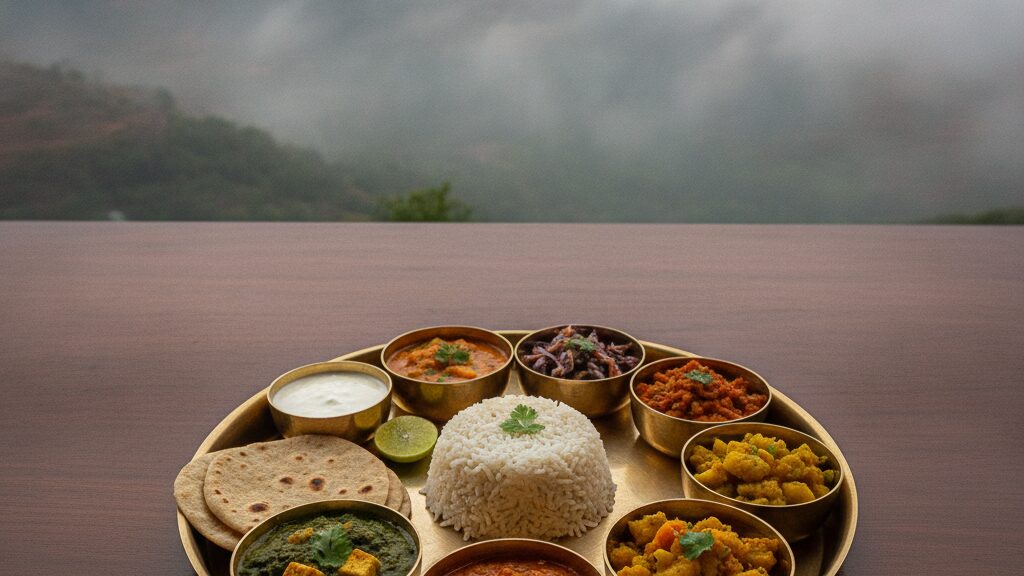
The truth about Jain dining on the road
Planning a hotel stay centered on Jain dining is not as simple as ticking a box on a booking form. Most people believe that requesting ‘no onion and no garlic’ is enough. In my experience, this is where the mistake happens. A truly Jain-focused stay requires a kitchen that understands the spiritual significance of root vegetables and the discipline of purity.
To plan a successful trip, you must verify the hotel’s infrastructure and the chef’s actual knowledge. You are looking for a place where Jain food is a core competency, not a special request. When the kitchen is built for this, you stop worrying about your plate and start enjoying the mountain mist of places like Igatpuri.
The difference between pure veg and Jain standards
Many hotels claim to be pure vegetarian. They may have a kitchen where no meat is cooked. This is a good start, but it is not the same as a Jain-certified environment. In a standard vegetarian kitchen, potatoes, carrots, and radishes are staples. For a strict Jain traveler, these are off-limits.
I have seen guests order a ‘Jain meal’ only to find small cubes of potato in the curry. This happens because the staff thinks ‘vegetarian’ and ‘Jain’ are interchangeable. A proper Jain-certified kitchen operates with a different mindset. They know that purity extends to the ingredients and the tools used to prepare them.
At Hotel Ashwin, we have spent 25 years refining this. We know that for our guests, food is not just nutrition. It is a practice of non-violence. This is why we maintain a strict separation of ingredients and ensure the staff is trained in these specific nuances.
How to vet a hotel before you book
Do not rely on the website’s ‘Amenities’ list. A checkmark next to ‘Vegetarian Food’ tells you nothing about Jain capabilities. Instead, pick up the phone. A direct conversation reveals more than a brochure ever will.
Ask the manager if they have a separate area for preparing Jain meals. Ask them specifically which root vegetables they avoid. If the person on the phone hesitates or asks what a Jain diet is, that is your answer. You want to hear a confident explanation of why they do not use potatoes or onions.
Check if the resort is 100% pure vegetarian. When a hotel allows non-veg in a separate wing, there is always a risk of cross-contamination. A property that is entirely meat-free is naturally safer. This is a key reason why pure vegetarian wellness retreats are preferred by the community.
The kitchen audit upon arrival
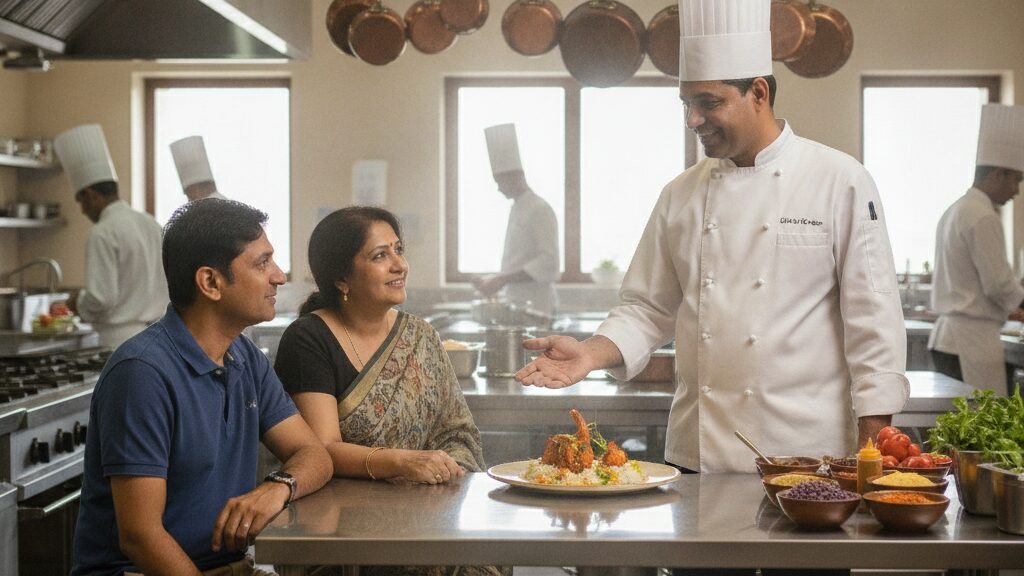
Once you reach the hotel, the first thing you should do is meet the head chef. This is a small gesture that builds a bridge of trust. Explain your specific requirements. Some families are stricter than others. Some may avoid certain greens, while others focus only on the root vegetable rule.
Ask about the oil. In some kitchens, the same oil is used to fry potato chips and then used for Jain vegetables. For a strict practitioner, this is unacceptable. A professional kitchen will have dedicated oil and separate frying pans for Jain preparations.
In our work at Hotel Ashwin, we find that guests feel most at peace when they see the transparency of the process. We encourage guests to understand how we handle their food. When you know the process, the meal tastes better because the mind is calm.
Managing meals for large family groups
Traveling with a large group adds a layer of complexity. When you have twenty people, including elders and children, the risk of a mistake increases. This is where buffet systems can be tricky. A buffet often leads to spoons moving from one dish to another.
For large groups, I suggest A-la-carte dining. It ensures that each dish is prepared fresh and specifically for the individual. It removes the chaos of the buffet line. You can weigh the costs, but the peace of mind is worth the difference. You can read more about Jain diet meal pricing to plan your budget better.
If you must choose a buffet, ask the hotel to create a dedicated ‘Jain Section’ with separate serving spoons. This prevents a potato-based dish from contaminating a Jain-friendly one. Most experienced resorts in Igatpuri are familiar with this request because of the high number of Jain travelers from Mumbai and Pune.
Spotting red flags during your stay
Even in a good hotel, mistakes can happen. You must stay alert without becoming stressed. A major red flag is the ‘substitution’ approach. If a chef says, ‘I will just remove the onions from the base,’ it is too late. The flavor and the essence of the root vegetable are already in the gravy.
Another sign of a struggle is the limited menu. If the only Jain option is a plain dal and steamed rice, the hotel is not truly ‘Jain-focused.’ They are simply ‘accommodating.’ A true Jain kitchen offers a variety of flavors, using banana blossoms or raw papaya to create texture and richness without using potatoes.
If you find a mistake in your food, address it gently but firmly. A good hotel will apologize and replace the meal immediately. They will use the mistake as a learning point for their staff. This is the difference between a business and a hospitality service.
The value of a 25-year reputation
In the world of hospitality, anyone can build a flashy resort with a swimming pool. But you cannot build trust overnight. Trust is earned one meal at a time over decades. When a hotel has served the Jain community for 25 years, it means they have failed and corrected themselves thousands of times.
They know the regulars. They know the specific expectations of a family from South Mumbai versus a group from Nashik. They understand that a monsoon getaway in the Sahyadri mountains is not just about the view. It is about the feeling of being safe and cared for.
When choosing a place, look for longevity. A resort that has stood the test of time usually has systems in place that new, trendy hotels lack. This is why we focus on our heritage of purity at Hotel Ashwin. It is our greatest asset.
Planning the logistics around your diet
Your dining plan should influence your room and activity choices. If you are staying for a destination wedding or a large family celebration, ensure the banquet menu is vetted weeks in advance. Do not leave it to the day of the event. Request a tasting session if possible.
For those planning a Jain destination wedding in Igatpuri, the food is the center of the experience. Guests will remember the purity of the feast long after the decorations are gone. Ensure the venue is 100% pure vegetarian to avoid any anxiety among the elders.
Also, consider the travel time. Since Igatpuri is just 2 hours from Mumbai, you can carry a small supply of home-made snacks. This ensures that if there is a delay or a craving, your dietary discipline remains unbroken. It is a simple precaution that keeps the trip stress-free.
The spiritual joy of a worry-free meal
There is a special kind of joy in sitting down to a meal and knowing, without a doubt, that it is pure. It allows you to be present. You can listen to the sounds of the forest, watch the mountain mist roll in, and truly connect with your family.
When the struggle for food is removed, the vacation actually begins. You are no longer a ‘special request’ guest. You are simply a guest. This shift in perspective changes the entire energy of the trip.
Whether you are visiting for a romantic retreat or a family holiday, let the food be the foundation of your peace. A well-planned Jain stay is not a restriction. It is a way to honor your values while exploring the beauty of nature.
Frequently Asked Questions
Is ‘pure vegetarian’ the same as ‘Jain food’?
No, pure vegetarian food allows root vegetables like potatoes and onions. Jain food strictly excludes all root vegetables to follow the principle of non-violence.
How do I know if a hotel uses separate utensils for Jain meals?
The best way is to ask the head chef directly upon arrival. A professional Jain-friendly kitchen will have dedicated pans and spoons for these preparations.
What should I do if the hotel has no specific Jain menu?
Provide a clear list of banned ingredients to the chef. Ask them to create dishes from scratch rather than modifying existing vegetarian recipes.
Are buffets safe for strict Jain travelers?
Buffets carry a high risk of cross-contamination due to shared spoons. A-la-carte dining is much safer for ensuring strict dietary adherence.
Why is a 100% pure vegetarian resort better than a mixed resort?
A completely meat-free property eliminates the risk of shared kitchen equipment or storage areas, ensuring a higher level of purity.
What are common substitutes for potatoes in Jain cooking?
Chefs often use raw bananas or raw papaya to mimic the texture and consistency of potatoes in curries and snacks.
How far in advance should I notify a hotel about Jain requirements?
Notify them at the time of booking and confirm again 48 hours before arrival. This gives the kitchen time to procure specific fresh ingredients.
Does ‘no onion, no garlic’ cover all Jain requirements?
It covers the most common ones, but strict Jainism also excludes all root vegetables, including carrots, radish, and ginger.
Plan your serene getaway today
Experience the peace of a truly Jain-certified kitchen in the heart of the Sahyadri mountains. Book your stay at Hotel Ashwin and enjoy a worry-free retreat with your family. Secure your reservation now for a guaranteed pure-veg experience—no hidden charges, just pure hospitality.
”
}