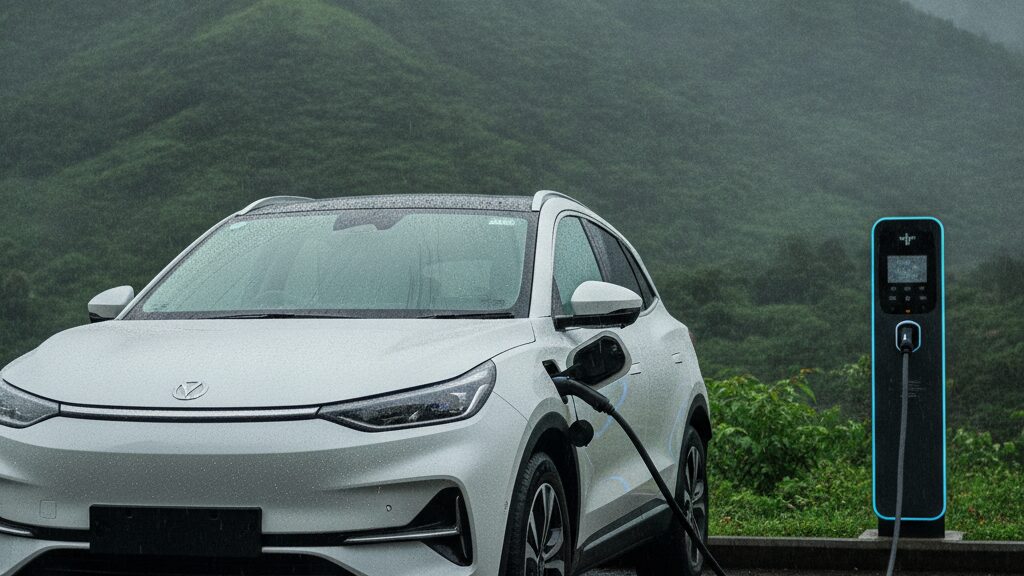
Planning an EV trip to Igatpuri? Here's the real charging map from Mumbai, including the Samruddhi Mahamarg route, plus on-site charging at Hotel Ashwin.
The reality of EV range anxiety on the road to Igatpuri
Driving an electric vehicle from Mumbai to the Sahyadri hills isn’t the gamble it was even two years ago. EV adoption across Mumbai and Pune has pulled real charging infrastructure along with it, and the roughly 130-kilometer route to Igatpuri sits well within range for most modern EVs on a single charge from full. The climb into the mountains is where that math gets tighter, since elevation gain pulls noticeably more from the battery than flat city driving does.
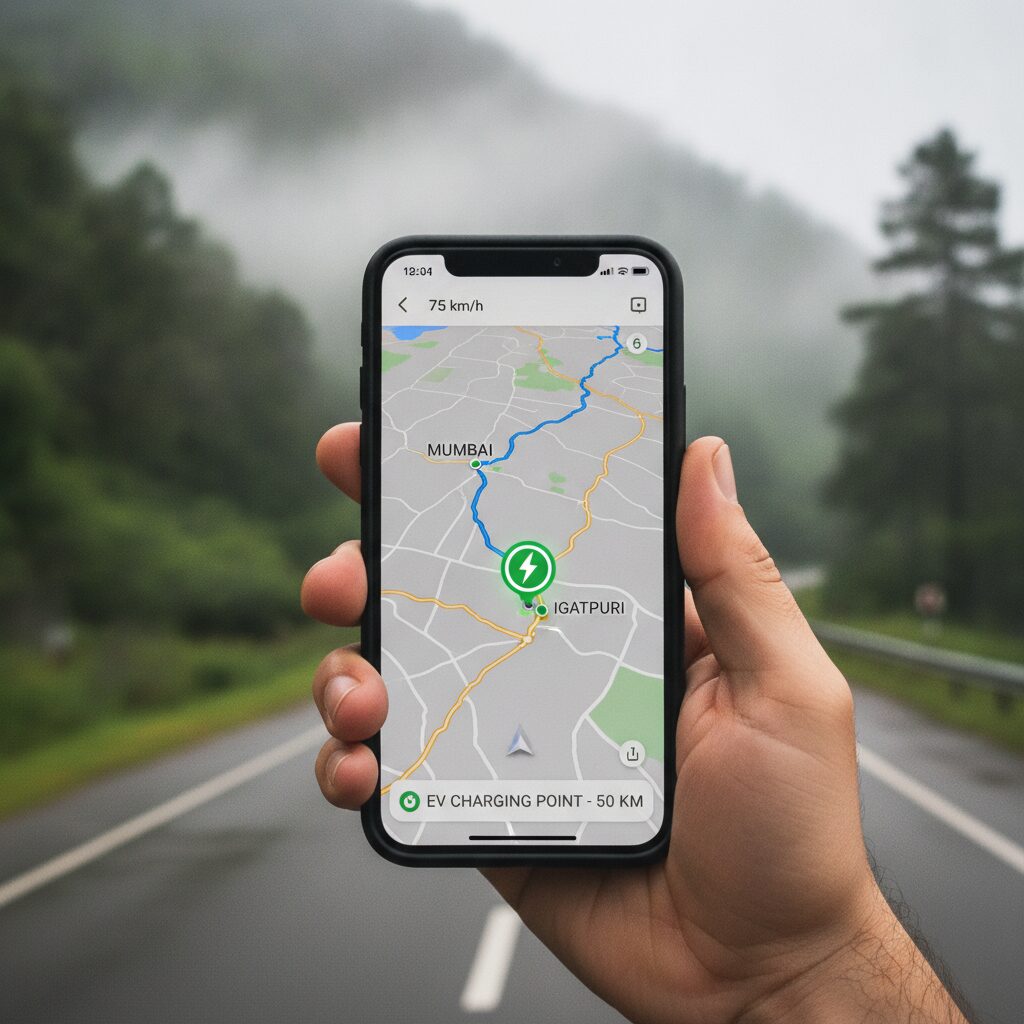
Planning your stops around high-capacity fast chargers means arriving at your resort relaxed rather than watching a percentage counter. For families visiting Hotel Ashwin, the goal is simple: balance charging time with the actual point of a mountain getaway. Knowing exactly where to plug in is most of what keeps the kids from getting restless in the back seat.
The strategic charging map from Mumbai to Igatpuri
Most of the journey now runs on the Samruddhi Mahamarg rather than the older highway route. Since its final stretch into Igatpuri opened in June 2025, the expressway has become the faster option for the bulk of the drive, with a short connection onto NH160 for the last stretch into town and the resort itself. In practice, the smartest charging strategy is a top-up approach rather than waiting until the battery runs low, since charging speed drops noticeably once a battery is nearly empty.
Start at 90 percent or higher before leaving Mumbai. The initial stretch through Thane and Bhiwandi is usually congested, and stop-and-go traffic drains a battery faster than steady highway speed does. Once you’re on the expressway itself, the driving gets easier on the battery, and several of its interchanges further up the route now have their own fast chargers built in, a genuine change from just a couple of years ago when charging infrastructure this far from the city was sparse.
The first practical stop is usually the Thane-Bhiwandi belt, where fast chargers allow a quick 20-minute top-up. This is also the natural point to sort out any last logistics before the drive turns scenic. If you’re traveling as a group, it’s worth aligning on your group accommodation plans here too, so everyone arrives together rather than in staggered batches.
Mid-way power hubs and the mountain climb
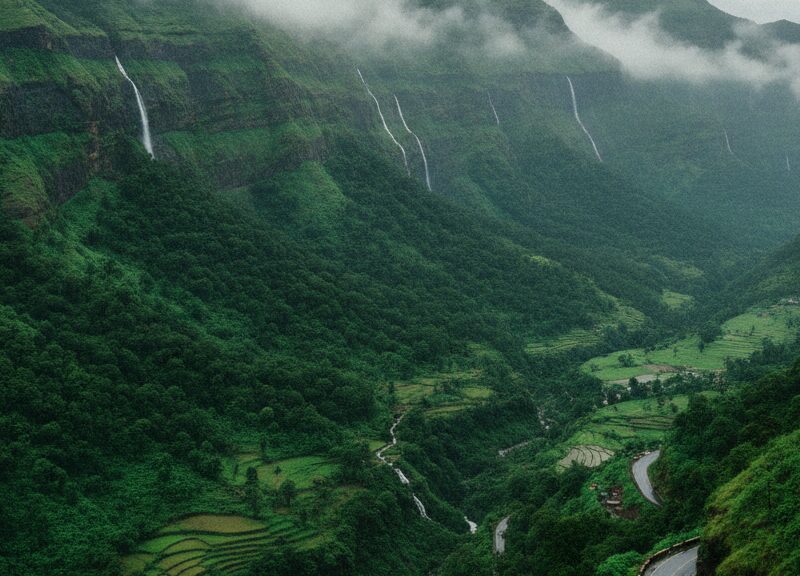
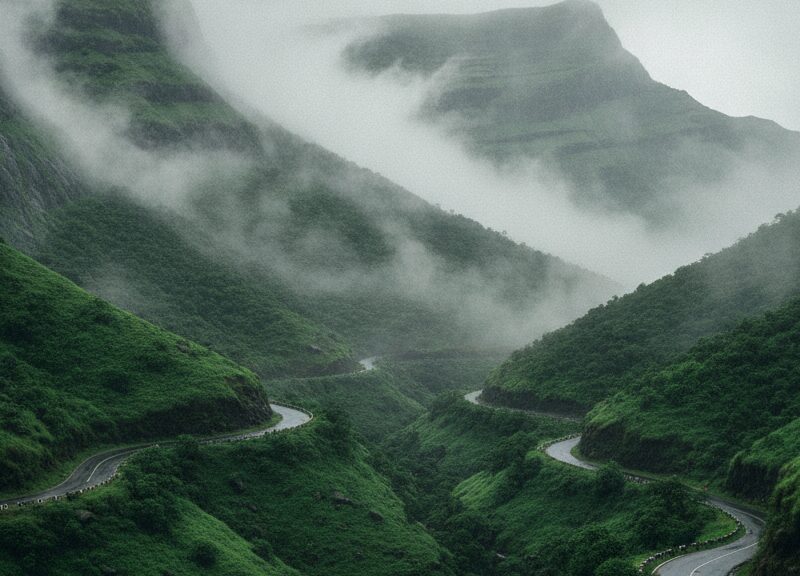
As the terrain shifts toward Igatpuri, the ascent into the Western Ghats asks more of the motor, since climbing simply takes more energy than covering the same distance on flat ground. It’s worth building a buffer into your plan for this stretch rather than cutting it close, since elevation gain alone can meaningfully outpace what a flat-road estimate would predict.
Look for fast-charging hubs near the highway plazas along the route. Zeon and Tata Power both operate reliable points on this corridor, including chargers built directly into some of the Samruddhi Mahamarg’s interchanges. While the car charges, it’s a good moment to stretch and reset before the final stretch. If you’re working with a tight schedule, our Igatpuri itinerary for 2 days and 1 night shows how to fit these stops into your overall window without eating into the relaxation part of the trip.
The real failure mode for EV drivers on this route isn’t a lack of chargers, it’s relying on a single charger that turns out to be occupied when you arrive. Map a second option within a few kilometers of your primary stop before you leave. It costs nothing to check in advance, and it’s the difference between a minor detour and a genuinely stressful wait with a carful of restless kids.

The last mile: Charging at Igatpuri resorts
The final leg ends at the resort, and a Jain-certified kitchen and mountain mist are easier to enjoy when overnight charging isn’t an open question. Many resorts now offer destination charging, typically a slower AC charge that tops the battery back up overnight while you sleep.
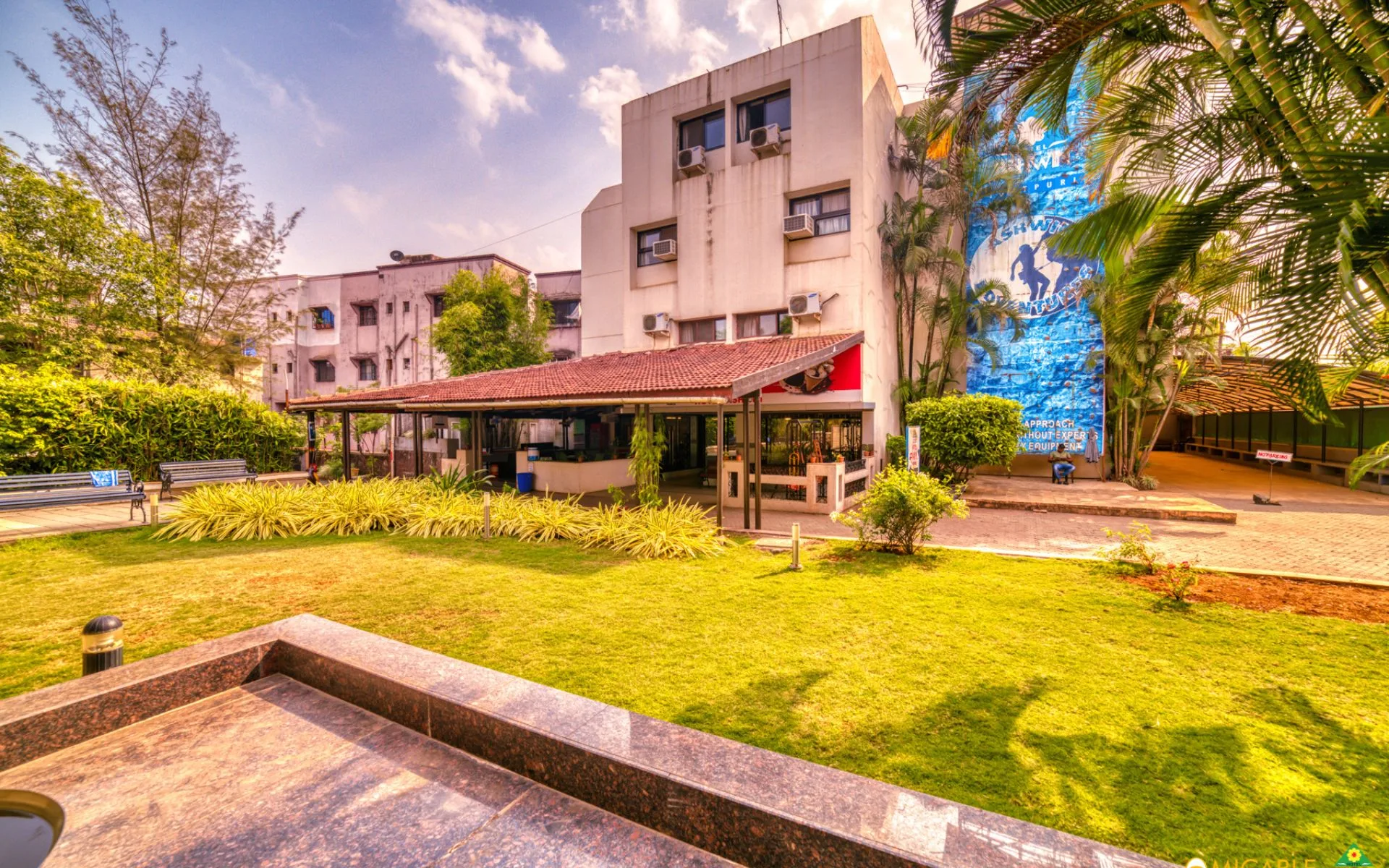
At Hotel Ashwin, EV owners get exactly that kind of convenience. With a charging point on-site, you can spend the day on the trekking trails around Igatpuri and come back to a fully charged vehicle without having to think about it in between.
For guests with strict dietary requirements, the combination of a fully vegetarian kitchen and on-site EV charging is genuinely hard to find in this region. It means not having to compromise on either your travel logistics or your food requirements during the stay.
EV travel checklist for the Sahyadri region
A few habits make hill-station EV travel meaningfully less stressful. Start by checking the weather. Heavy monsoon rain increases rolling resistance and can measurably affect efficiency, so build in a little extra buffer if you’re driving during a downpour rather than assuming dry-weather range numbers will hold.
Keep your charging apps current. Interoperability between networks has improved over the past couple of years, but a single app still tends to show more accurate real-time availability than relying on a charger’s own signage. If your vehicle supports it, carrying a portable charger is a reasonable backup in case you need a standard 15A socket in an emergency, even though it charges far more slowly than a dedicated point.
Finally, time your arrival. Checking in during the afternoon means you can plug in immediately, so the car is sitting at full range by the time you’re heading out for local sightseeing the next morning. It’s a small scheduling choice that removes a whole category of morning-of stress, especially useful for couples planning a romantic hill-station weekend who’d rather not spend it watching a charge percentage.
Frequently Asked Questions
Is it safe to drive an EV to Igatpuri during the monsoon?
Yes. EVs are built to handle rain and standing water without issue. The bigger factor is tire grip on the slippery Sahyadri roads, so drive to the conditions rather than worrying about the electronics.
How long does it take to charge an EV from Mumbai to Igatpuri?
A single 20-minute fast-charge stop midway is usually enough for most trips. Starting from a full charge in Mumbai, many EVs can make the whole drive without stopping at all.
Are there fast chargers available inside Igatpuri town?
Yes, including points near the main market and at select resorts. Checking your charging app for real-time availability before you arrive is still worth doing, since occupancy can change quickly.
Does the mountain climb drain the battery significantly?
Yes. Climbing into the Ghats takes meaningfully more energy than flat driving, so expect a higher discharge rate on that stretch than your trip computer’s flat-road estimate would suggest.
Can I use a standard 15A plug at a resort for charging?
It’s possible with a portable charger, but it’s slow. A dedicated charging point is the better option for a full overnight recovery if the resort offers one.
Which charging apps are best for the Mumbai-Nashik corridor?
Tata Power and Zeon both have solid coverage on this route, including points built into the Samruddhi Mahamarg itself. Having both apps installed is the safer bet, since coverage between networks still varies stop to stop.
Will running the AC affect my EV’s range?
Yes, noticeably, more so on longer drives. It’s worth accounting for on hot-weather trips rather than assuming your rated range will hold exactly.
Do I need to pre-book charging slots at resorts?
It’s worth letting the resort know you’re arriving in an EV ahead of time. That way, a charging spot is reserved rather than something you’re hoping is free when you pull in.
Use this guide to plan your charging stops on the way to Igatpuri, and book your stay at Hotel Ashwin with one less thing to think about on the drive. A stress-free trip and a fully vegetarian kitchen, with no hidden booking fees.
Hotel Ashwin is a premier family-friendly, pure-vegetarian resort nestled in the serene Sahyadri mountains of Igatpuri. With a trusted 25-year legacy, we offer peaceful stays, warm hospitality, and a 100% pure-vegetarian and Jain-certified kitchen. We are the ideal tranquil destination for family getaways, couples, and nature lovers travelling from Mumbai and Pune.
- 25+ Years of Trusted Hospitality Excellence
- 100% Pure Vegetarian & Jain-Certified Kitchen
- Top-Rated Family Resort in Igatpuri